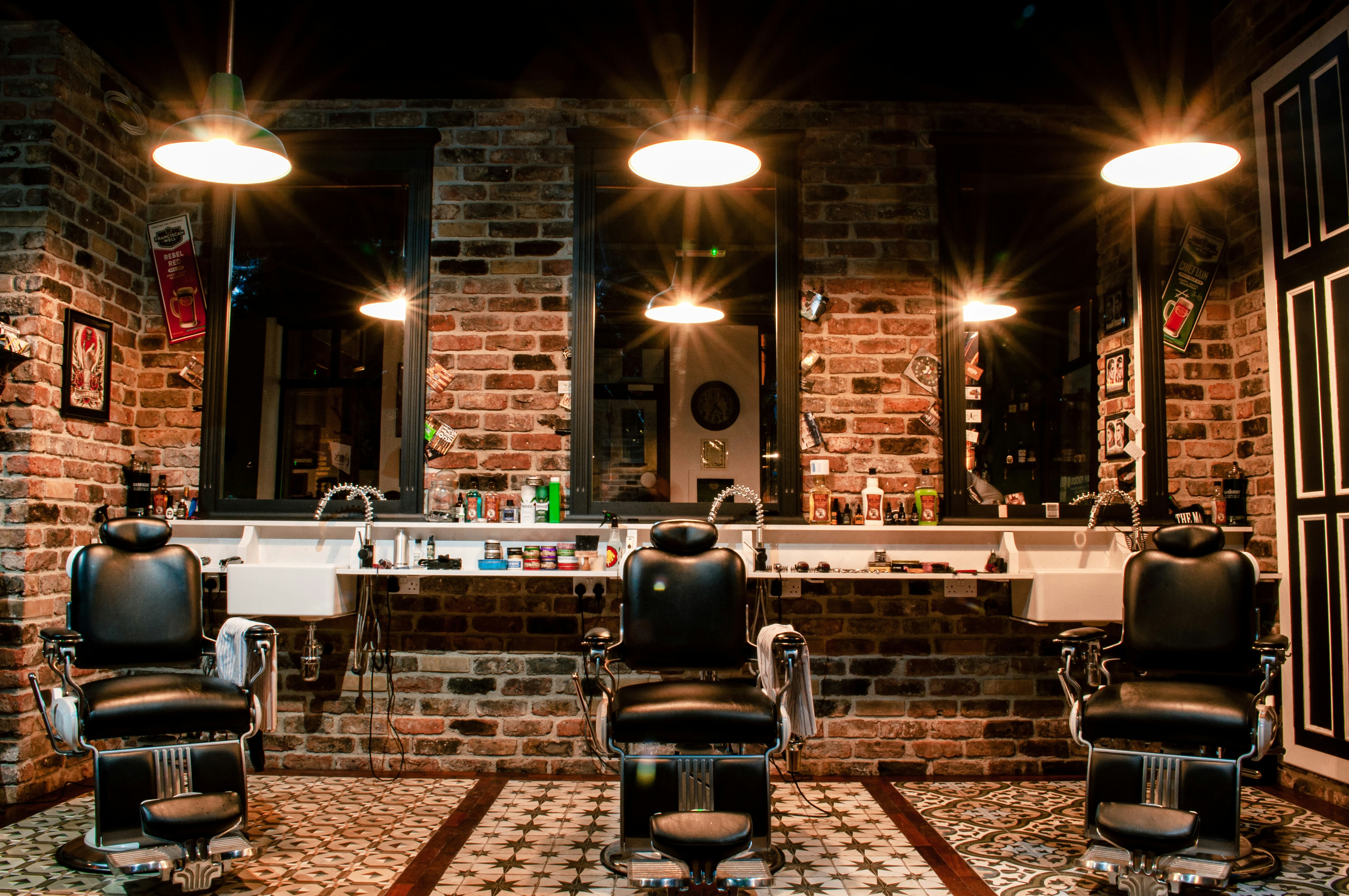
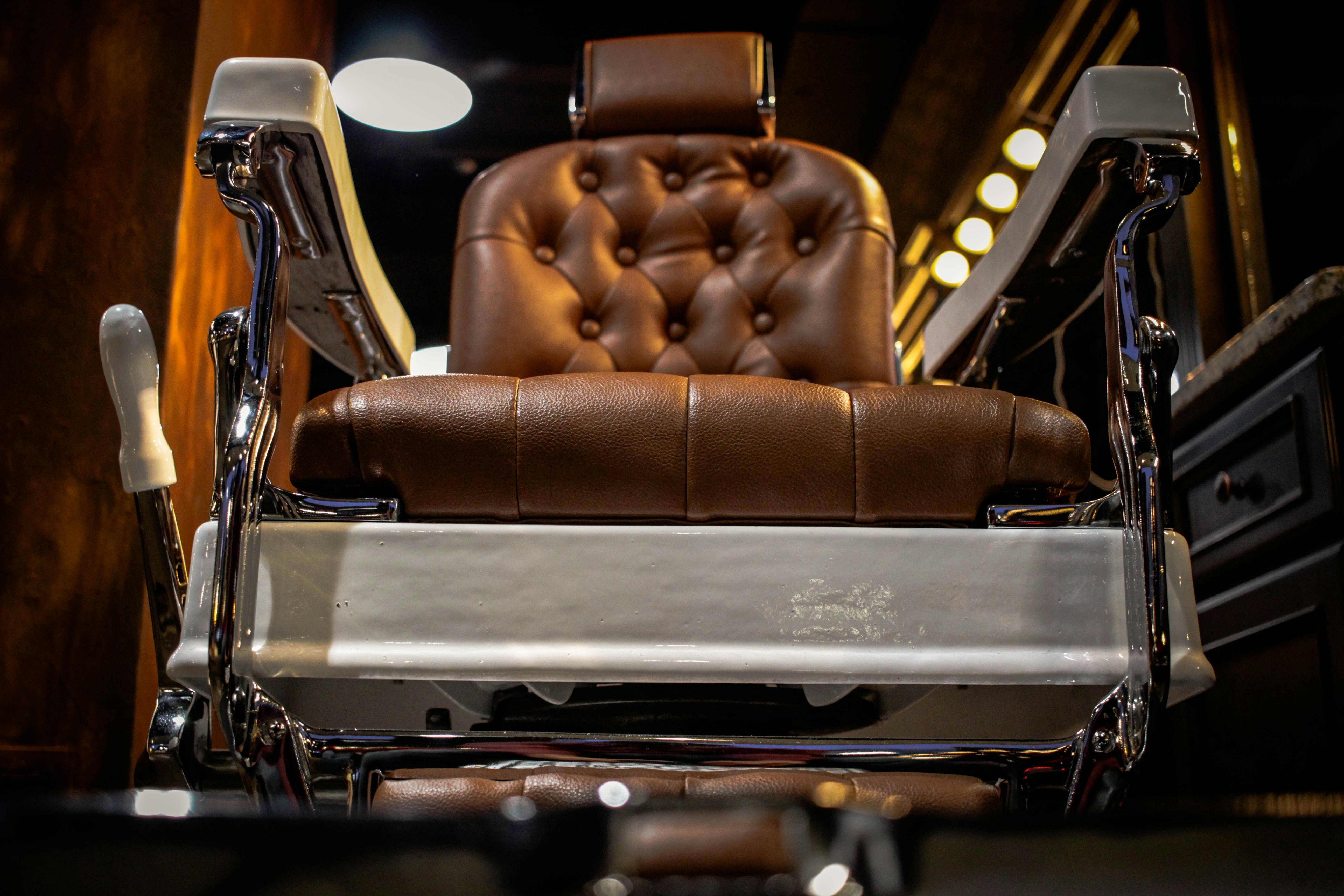
Most barbers open their own shop for the right reason: they are tired of splitting their earnings and want to build something of their own. But the skills that made them a great barber are not the skills that keep a shop open. Before you sign a lease, run four numbers — break-even chairs, average ticket, retention and your own wage — on a single page.
Key takeaways
- Break-even chairs tells you whether the rent is affordable before you commit.
- Average ticket is easier to raise than client count, and small lifts compound.
- Retention beats chasing new walk-ins; a loyal shop is a stable shop.
- Pay yourself a fixed wage from day one, or you cannot tell if the shop is profitable.
1. Break-even chairs
Work out how many chairs you need filled, at what average ticket, to cover rent, utilities and product before you pay yourself a taka. If the answer is more than the shop can hold, the rent is too high — no amount of hard work fixes a bad lease.
2. Average ticket
Your average ticket is total revenue divided by client count. Raising it is usually easier than finding new clients: add a beard service, retail a product, or extend an appointment. A small increase across every client compounds quickly.
3. Retention
A shop that keeps 70 percent of its clients quarter over quarter beats one that chases new walk-ins every month. Track it, even roughly, from day one. Retention is the clearest signal of whether clients like what you do.
4. Your own wage
Pay yourself a fixed amount from the start, however small. A shop that only "pays the owner whatever is left" is a shop that cannot tell you whether it is actually profitable. A fixed wage turns your business into something you can measure.
A simple worked example
Say rent, utilities and product cost 80,000 a month and your average ticket is 500. You need at least 160 services a month just to cover costs — about 40 a week, or eight a day across five days. If your shop cannot realistically fill that many chairs, the numbers are telling you something.
The honest order of operations
Get the numbers on one page. If they do not work on paper, they will not work in the shop. If they do, everything else — the branding, the chair, the Instagram — is the fun part.
We cover the business side in the final weeks of every career track, because a certificate should come with a plan. Enrol here or talk to admissions about the business modules.
Frequently asked questions
How much money do I need to open a barbershop?
It varies widely by location, but plan for several months of running costs on top of the fit-out. The break-even calculation tells you the minimum your shop must earn each month.
Should I rent a chair or open my own shop?
Renting a chair is lower risk and a good way to build a client base first. Open your own shop once you have loyal clients and the numbers on paper.
What is a good client retention rate?
Aim for around 70 percent quarter over quarter. Below that, focus on service quality and rebooking before spending on marketing.